The Problem
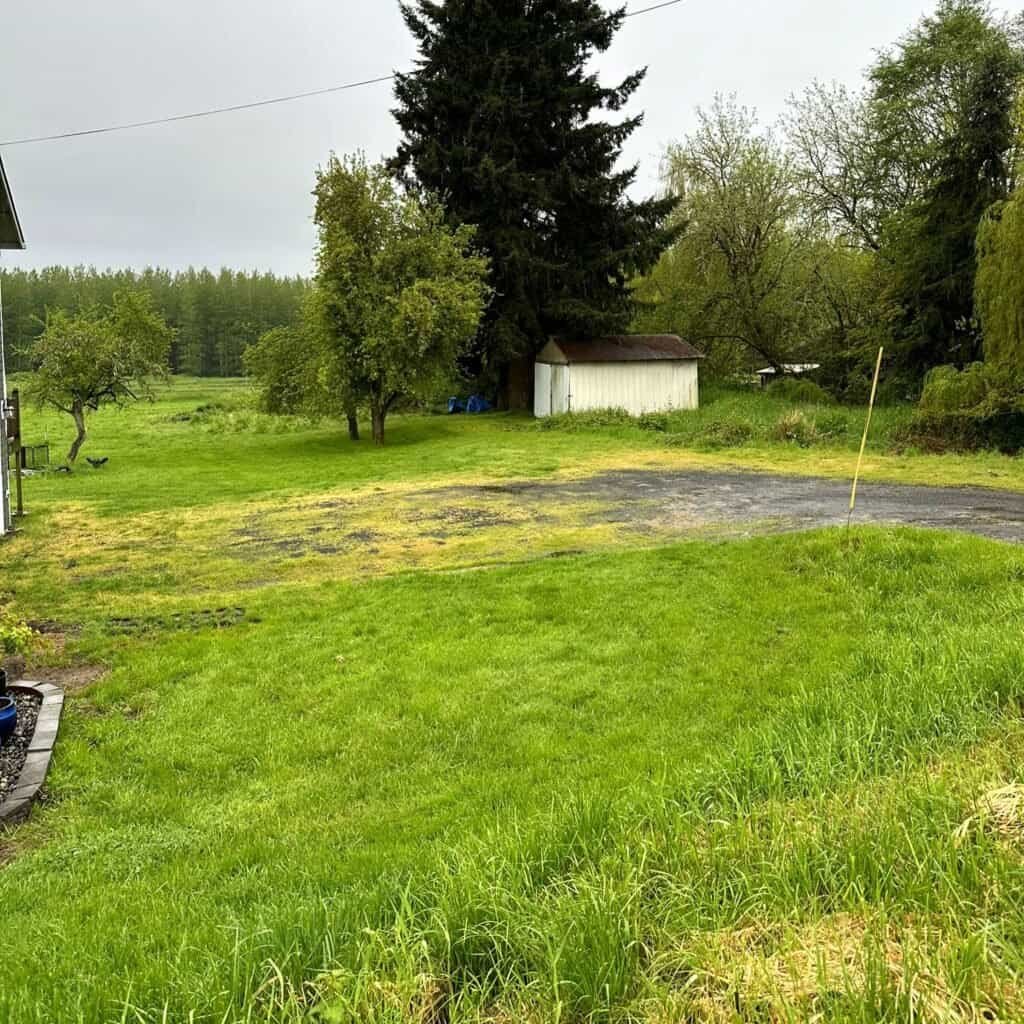
These clients wanted a quality driveway. Their existing driveway had been overtaken by grass and debris, and the little rock that remained did not match.
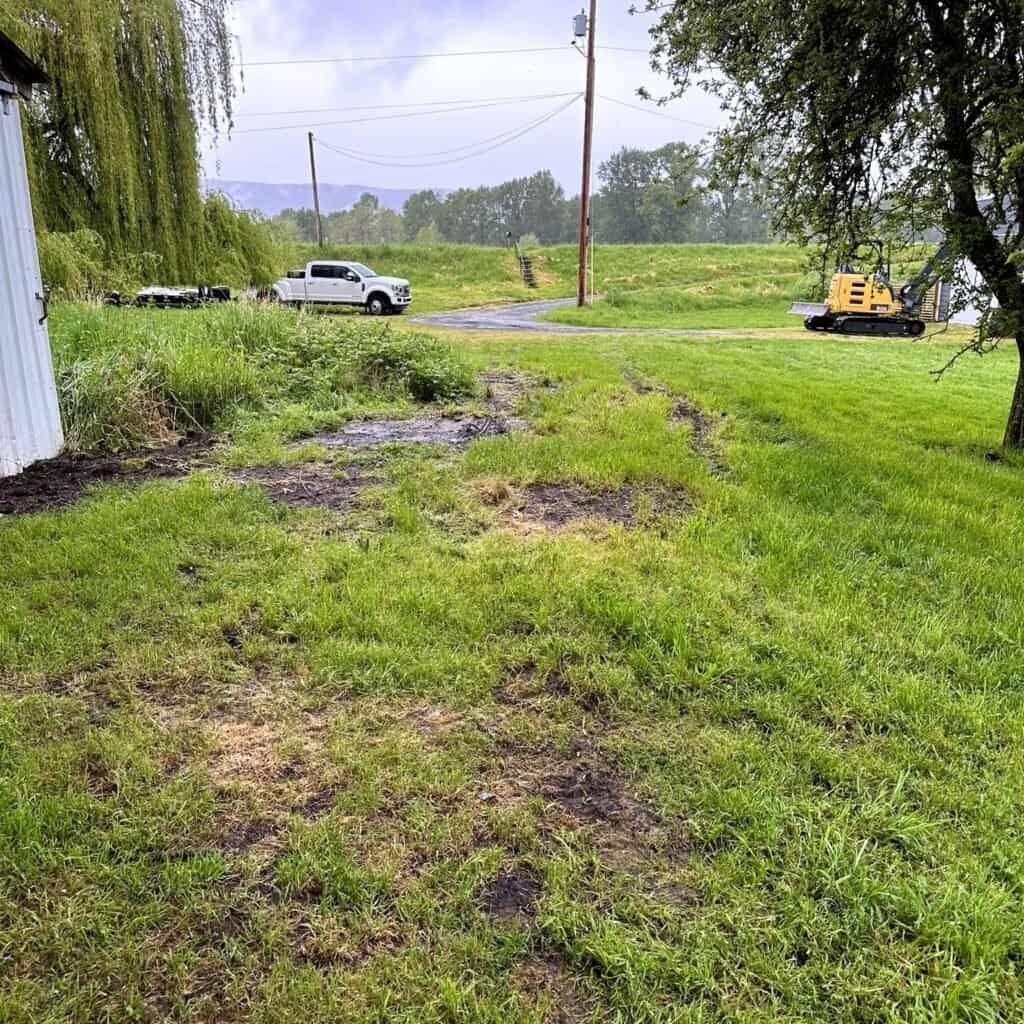
They asked for a well-defined driveway with clean lines and edging. There was also a swampy area in the back corner of the driveway next to their shop that they wanted turned into usable space.
 Before
 Before
 Before
Stripping the Old Driveway
I began by stripping all of the grass, debris and vegetation, then hauled it off site. Gravel built on top of grass and organic material becomes soft and is quickly overgrown, so everything was removed first.
Rebuilding the Swampy Area
In the swampy corner by the shop, we excavated the soft soil and debris and prepared the area for new aggregate. We then placed 2" to 8" riprap to create a solid base. The large rock bridges soft ground and gives the gravel above a firm foundation.
 Before
 After
Installing 3/4" Minus
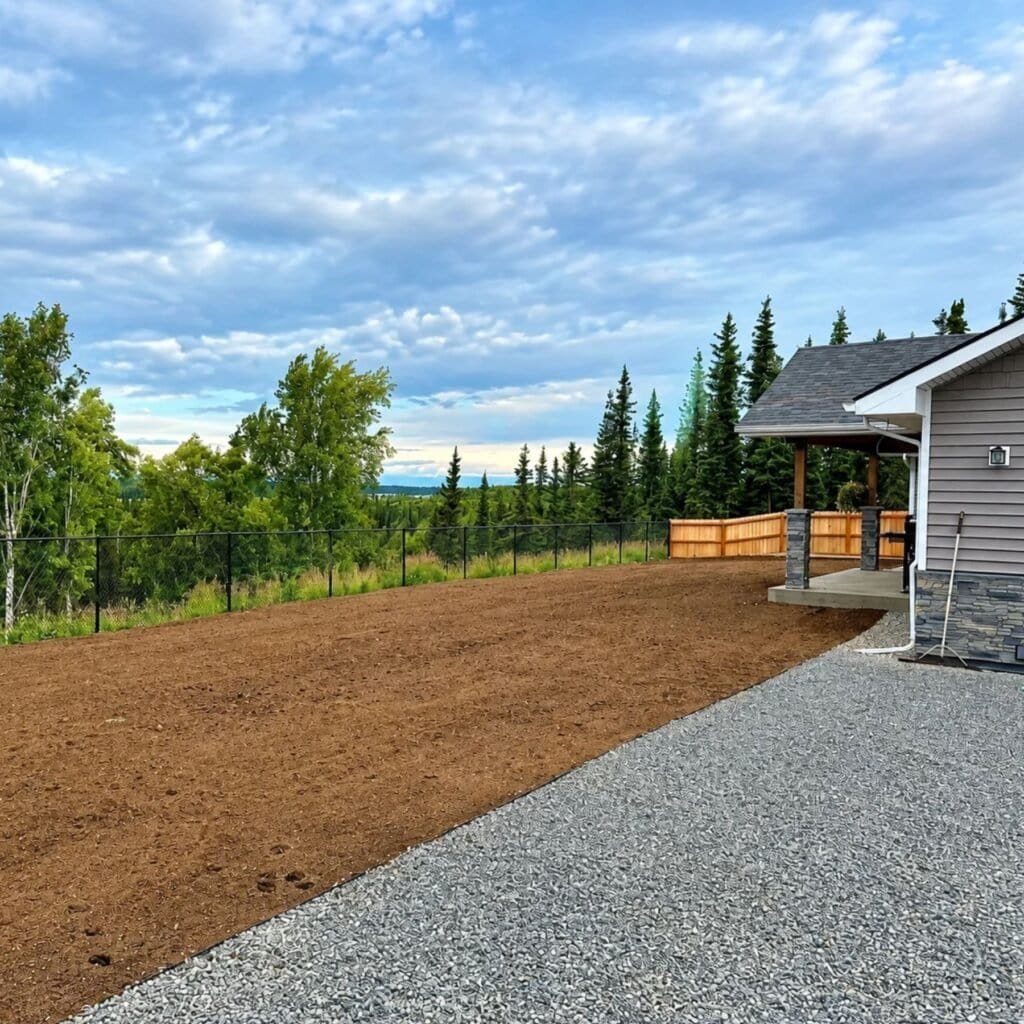
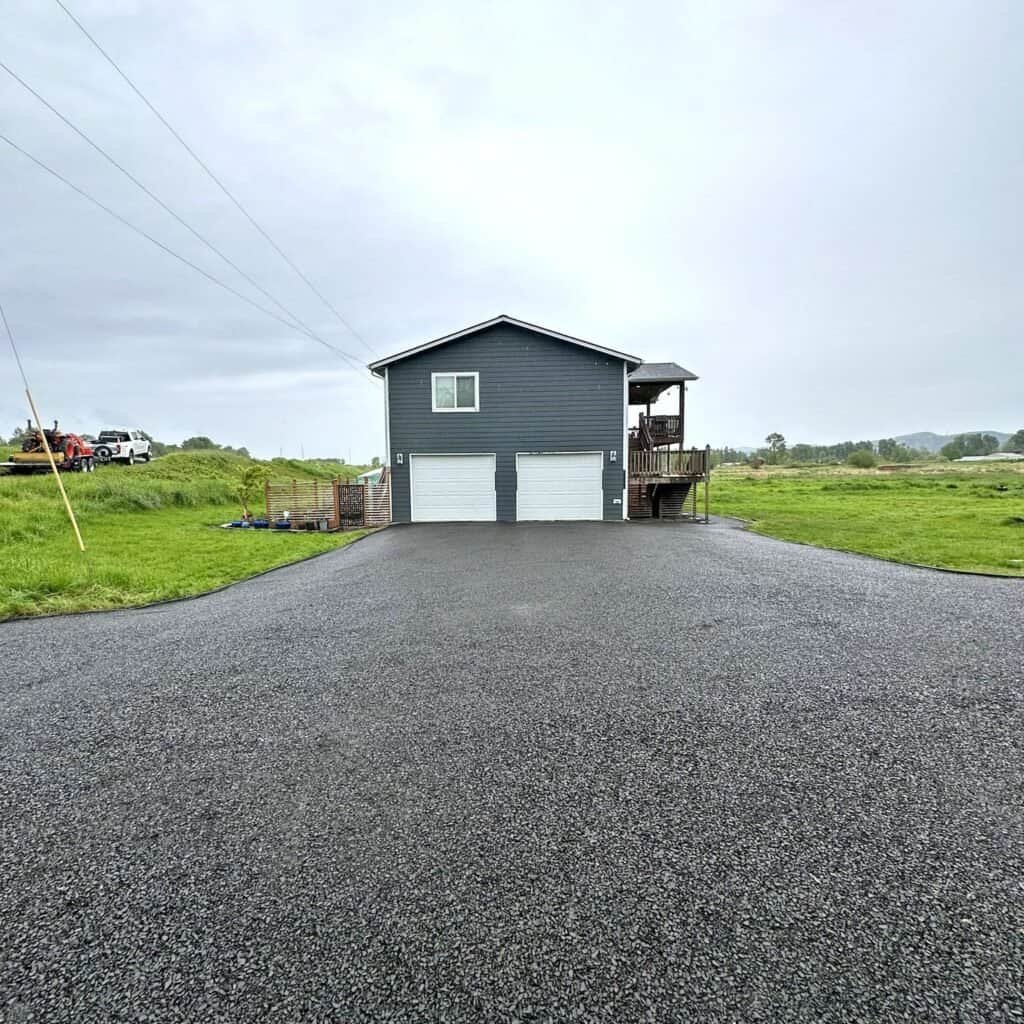
With a solid base in place, we installed 3/4" minus over the entire driveway. We graded it so water sheds off the surface, then compacted it into a solid, durable finish, keeping clean lines and edging throughout.

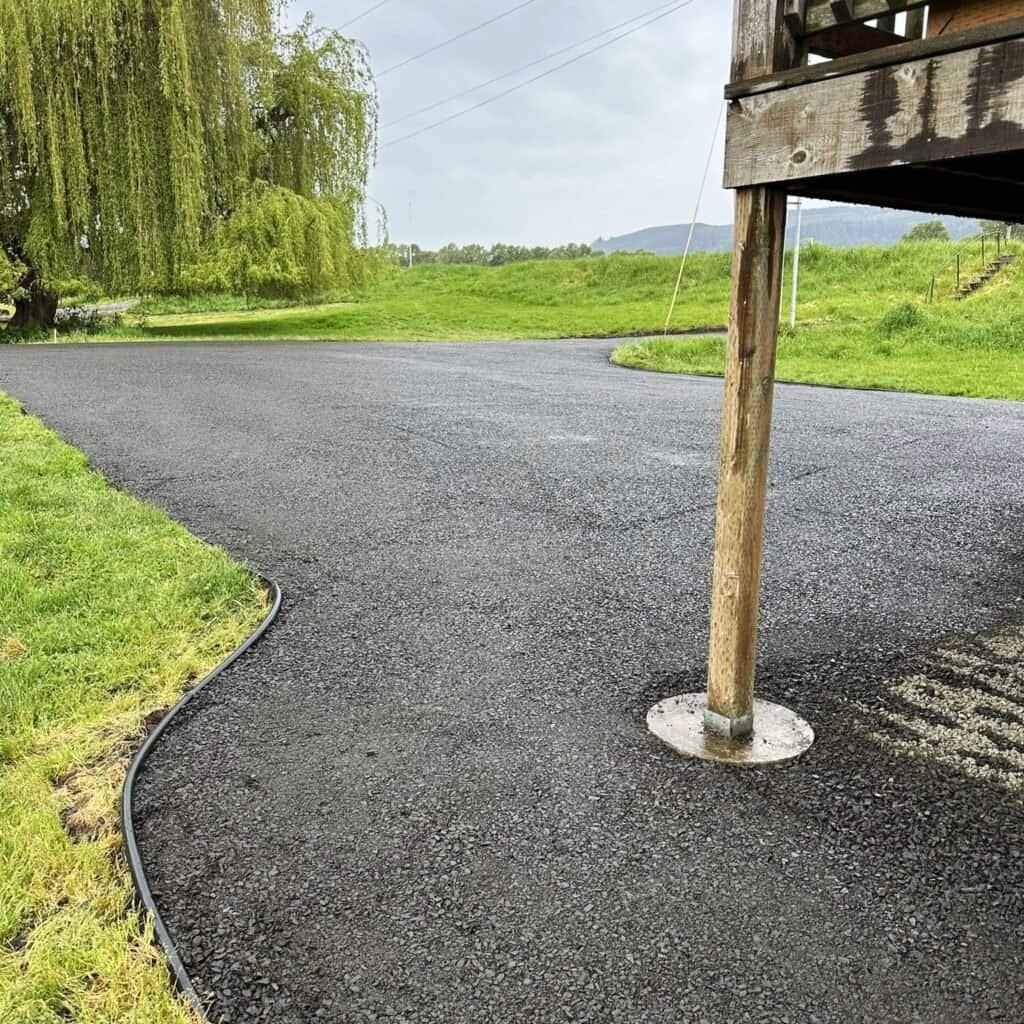
A New Pathway Around the House
We also added a new 3/4" minus pathway around the house and under the front porch, with matching edging, so the entire property ties together.
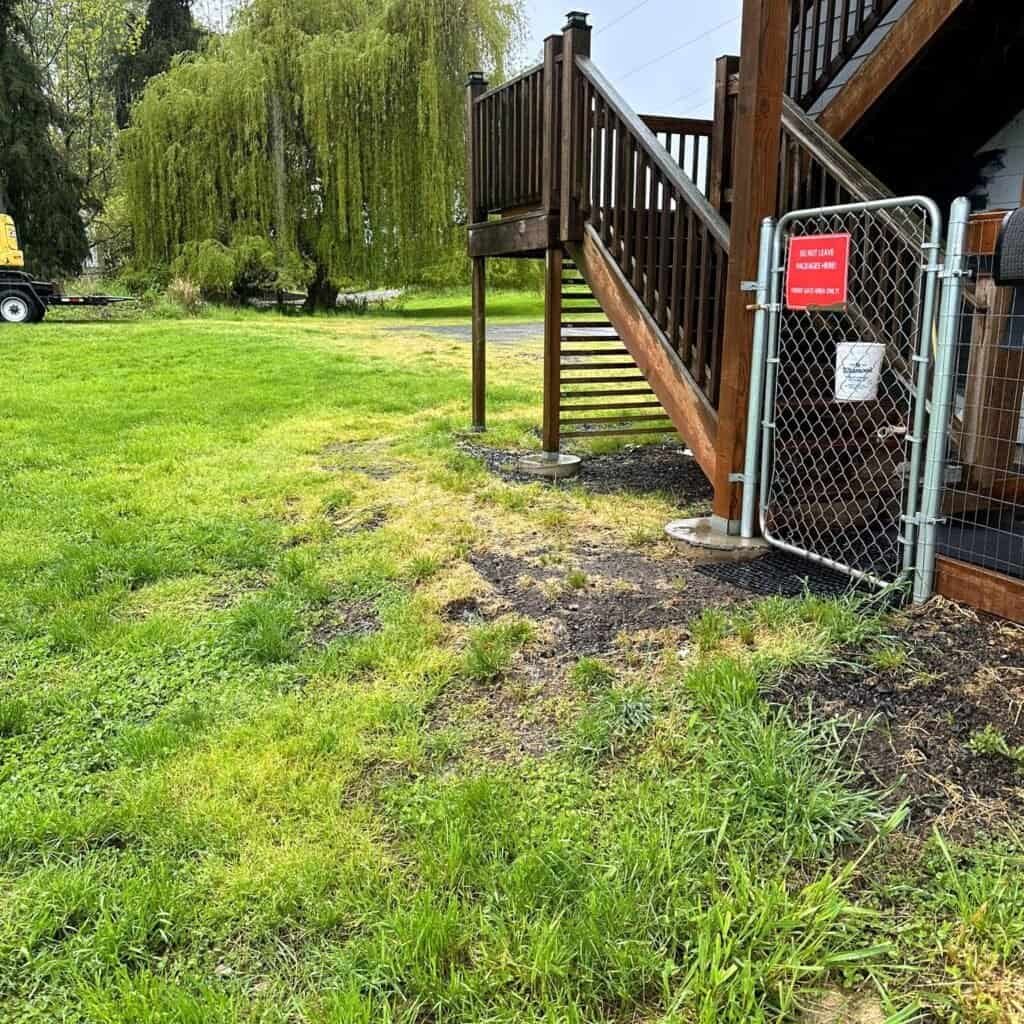 Before
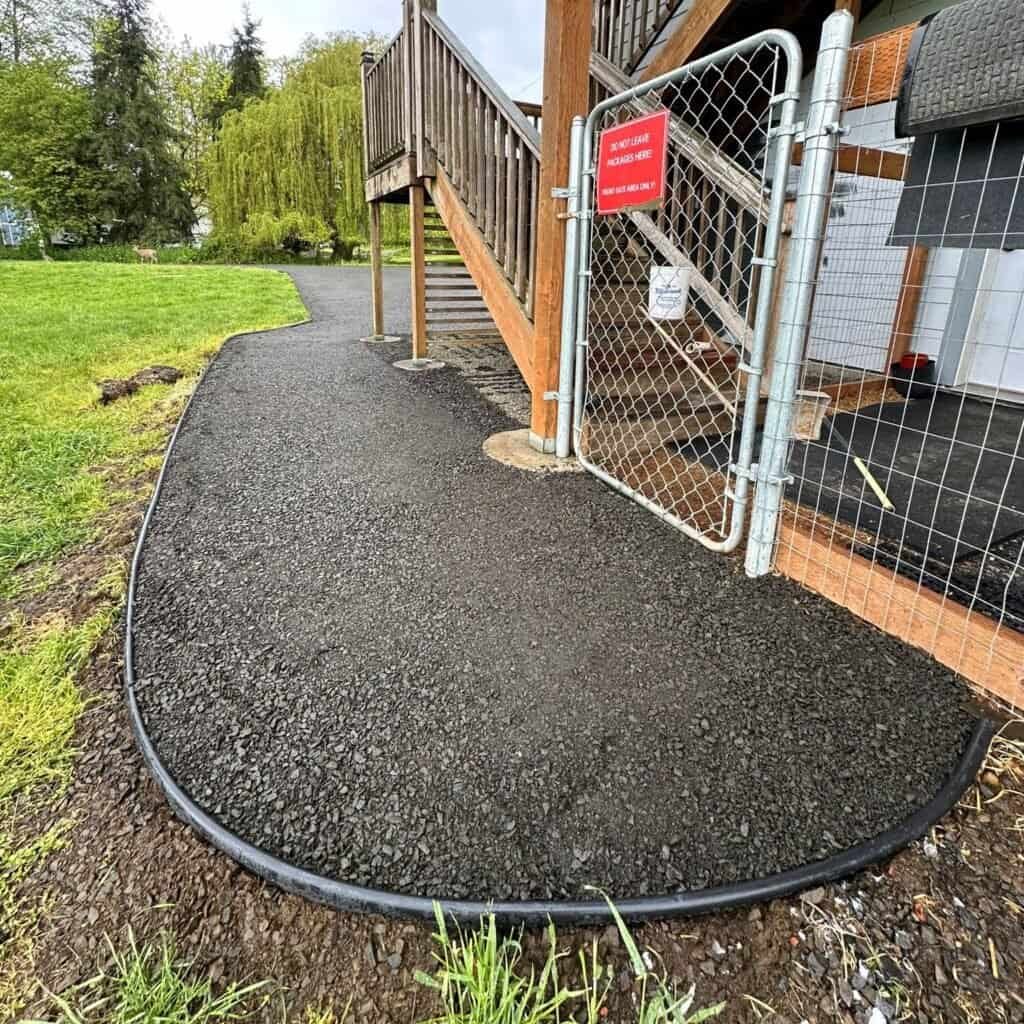 After
The Result
The clients were away on vacation while the work was underway. When they returned and saw the finished driveway, they were extremely pleased.
The new driveway added functional space and improved the appearance of the entire property.
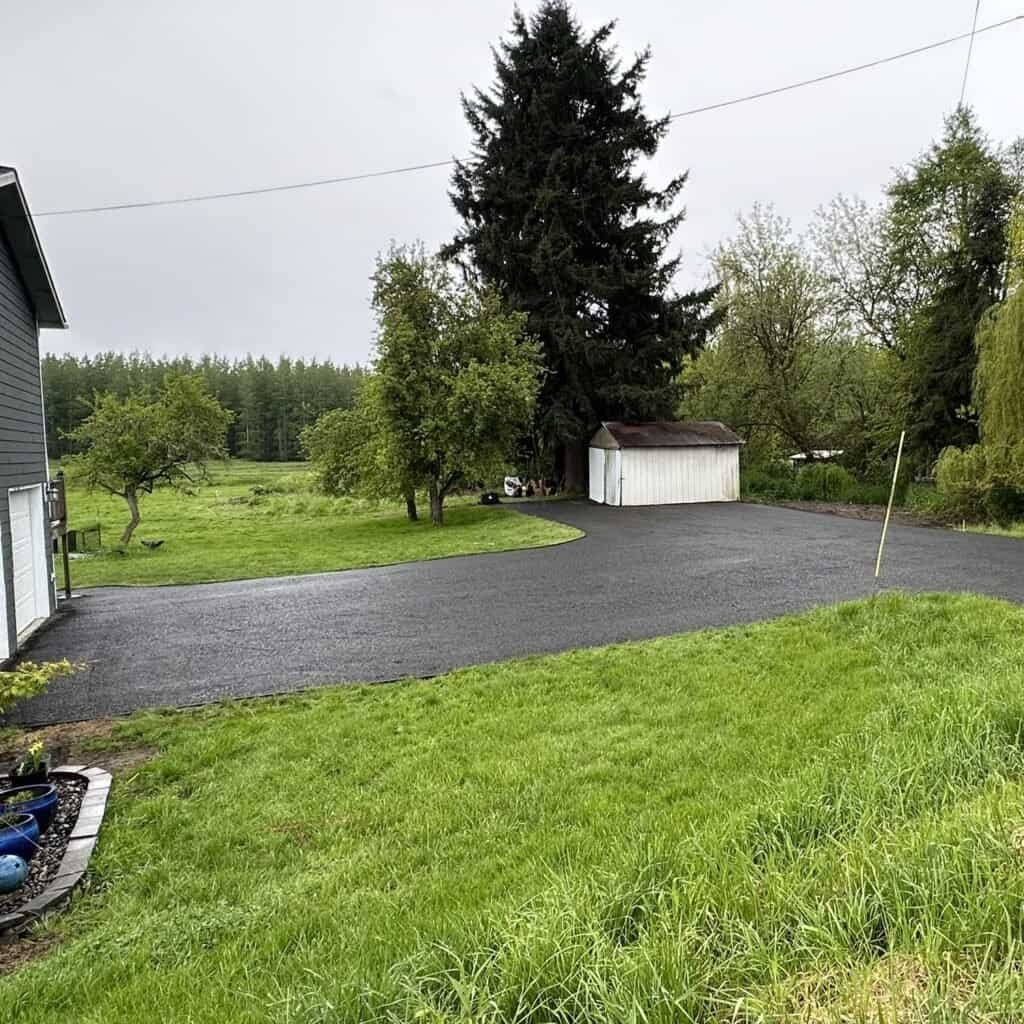 After
Materials Used
2" to 8" riprap as a base in the swampy area, and 3/4" minus gravel over the entire driveway and pathway, graded so water sheds off and compacted, with edging throughout.
What a Project Like This Costs
Typical range
$10,000 – $25,000
Gravel driveway projects like this one, with stripping, a rebuilt soft area, a new pathway and edging, usually fall in this range.
What affects the cost
Every property is different, so the cost of similar projects can vary. The main factors are:
- Haul distance. The distance between the quarry supplying the material and the job site.
- Material pricing. Rock prices vary by quarry and by material type.
- Project size and depth. The size of the area and the depth of rock required determine the total amount of material.
- Soft or wet ground. Swampy areas need to be dug out and rebuilt with a larger base rock.
- Site preparation. Stripping grass and debris and hauling it off before the rock is placed.
- Edging and detail work. Edging, pathways and work around porches and buildings add time.
Planning a similar project? We're happy to talk through what you have in mind and give you a free estimate.
Common Questions
How do you build a gravel driveway over soft, swampy ground?
Dig out the soft soil and debris first, then put down a layer of large rock like 2" to 8" riprap to create a solid base. Once the base is firm, cover it with a compacted layer of 3/4" minus for the driving surface.
Why add edging to a gravel driveway?
Edging gives the driveway clean, defined lines, keeps the rock where it belongs and keeps grass from growing into the gravel. It also makes the whole property look finished.
Can 3/4-inch minus be used for walkways?
Yes. 3/4" minus compacts into a firm, even surface, so it works well for walkways and areas around the house, like the path and porch area on this project.
Planning Something Similar?
See our gravel driveway services, Clatskanie land services and Clatskanie gravel delivery, or request an estimate and we'll take a look at your property.
← All success stories