The Project
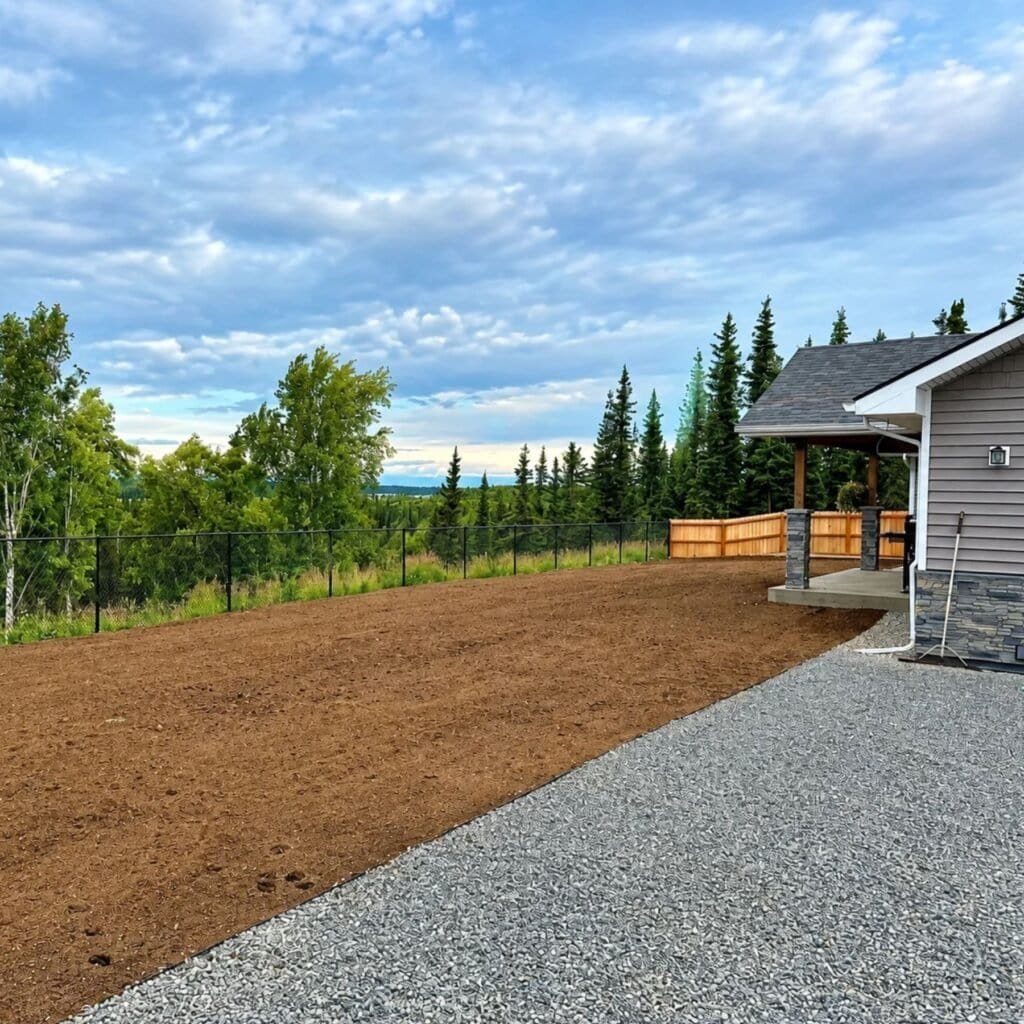
This entire property sits on a hillside, and usable space was already limited. The clients wanted a level spot where their RV could be parked and covered by a new carport.
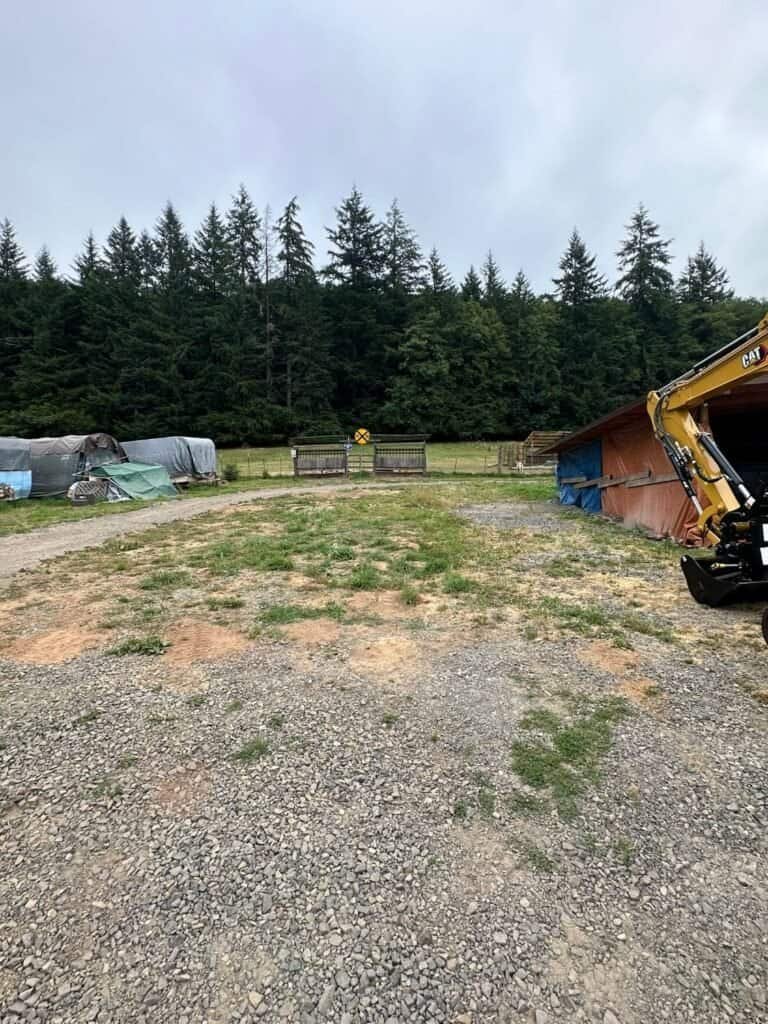 Before
Finding the Right Spot
We identified the best available location and began carving it out. The pad needed to be easy to back an RV into, with a low, gradual transition so nothing would drag.
Cutting Into the Hillside
We made a cut of about 8 feet into the back of the embankment. That brought the finished grade of the new gravel flush with the existing driveway, so the transitions are easy and the new pad blends seamlessly with the rest of the driveway.
All of the soil we excavated stayed on site.

Building the Pad
We placed 3" minus as the base rock and topped it with 3/4" minus, then graded and compacted everything for a level, solid surface.
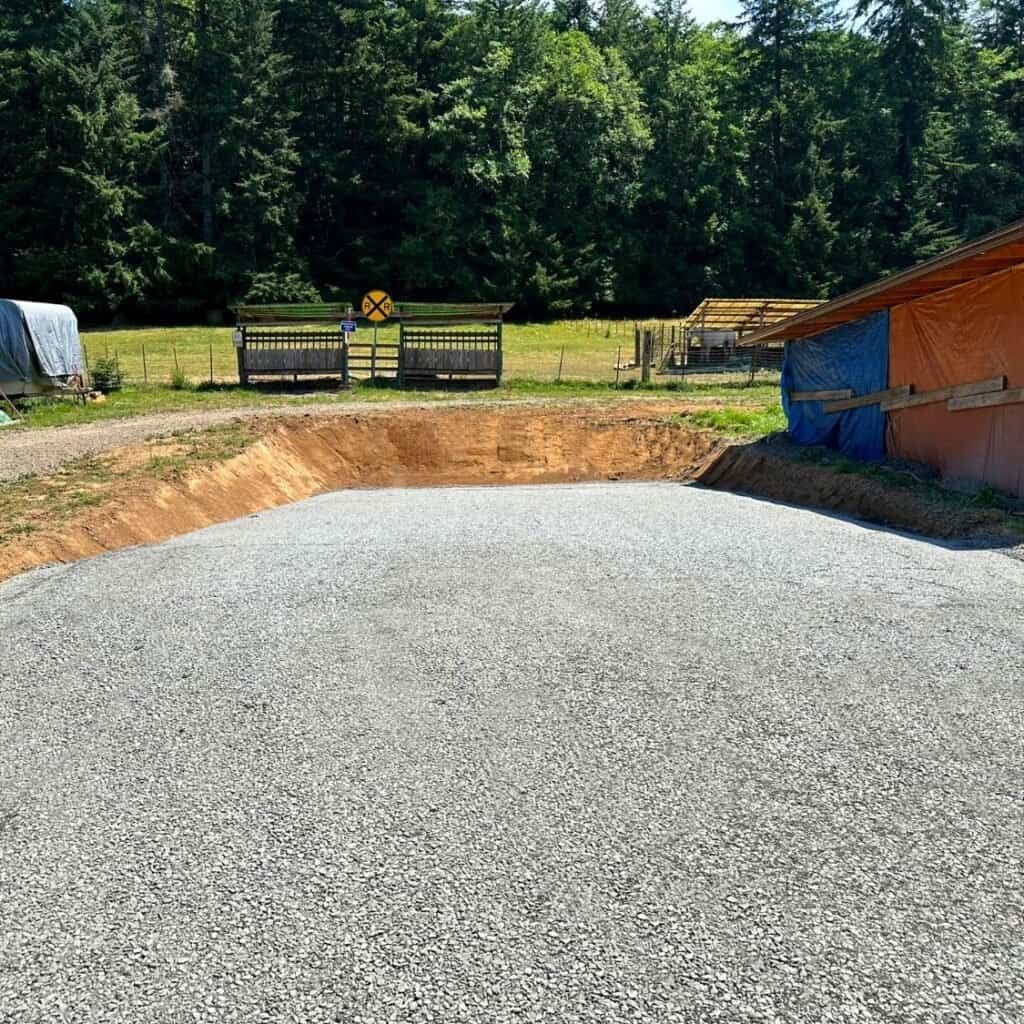
The Result
A few weeks later, the clients sent us photos of their new carport installed on the pad, and they were extremely pleased.
 After
 After
Materials Used
3" minus base rock topped with 3/4" minus, graded and compacted. All excavated soil was kept on site.
What a Project Like This Costs
Typical range
$5,000 – $10,000
Hillside RV and carport pads like this one, with an embankment cut and a 3" minus base topped with 3/4" minus, typically fall within this range.
What affects the cost
Every property is different, so the cost of similar projects can vary. The main factors are:
- Depth of the cut. How far the hillside needs to be cut back to reach a level grade.
- Pad size. The size of the pad determines the total amount of rock required.
- Soil handling. Whether excavated soil can stay on site or needs to be hauled away.
- Haul distance. The distance between the quarry supplying the rock and the job site.
- Site access. Slopes, buildings and tight spaces can limit equipment and truck access.
Planning a similar project? We're happy to talk through what you have in mind and give you a free estimate.
Common Questions
How do you build a level RV pad on a hillside?
Cut into the uphill embankment until the pad reaches the right grade, then build it up with base rock and a compacted top layer. Matching the finished grade to the existing driveway keeps the pad easy to back into.
What should a carport or RV pad be built with?
A 3" minus base provides strength under the weight of an RV, and a top layer of 3/4" minus compacts into a level, firm surface for the carport and the vehicle.
Why does the transition into an RV pad matter?
RVs and trailers have long rear overhangs and low clearance. A low, gradual transition keeps the back end from dragging as the RV is backed in.
Planning Something Similar?
See our gravel pads, site preparation and Banks excavation, or request an estimate and we will evaluate your property.
← All success stories