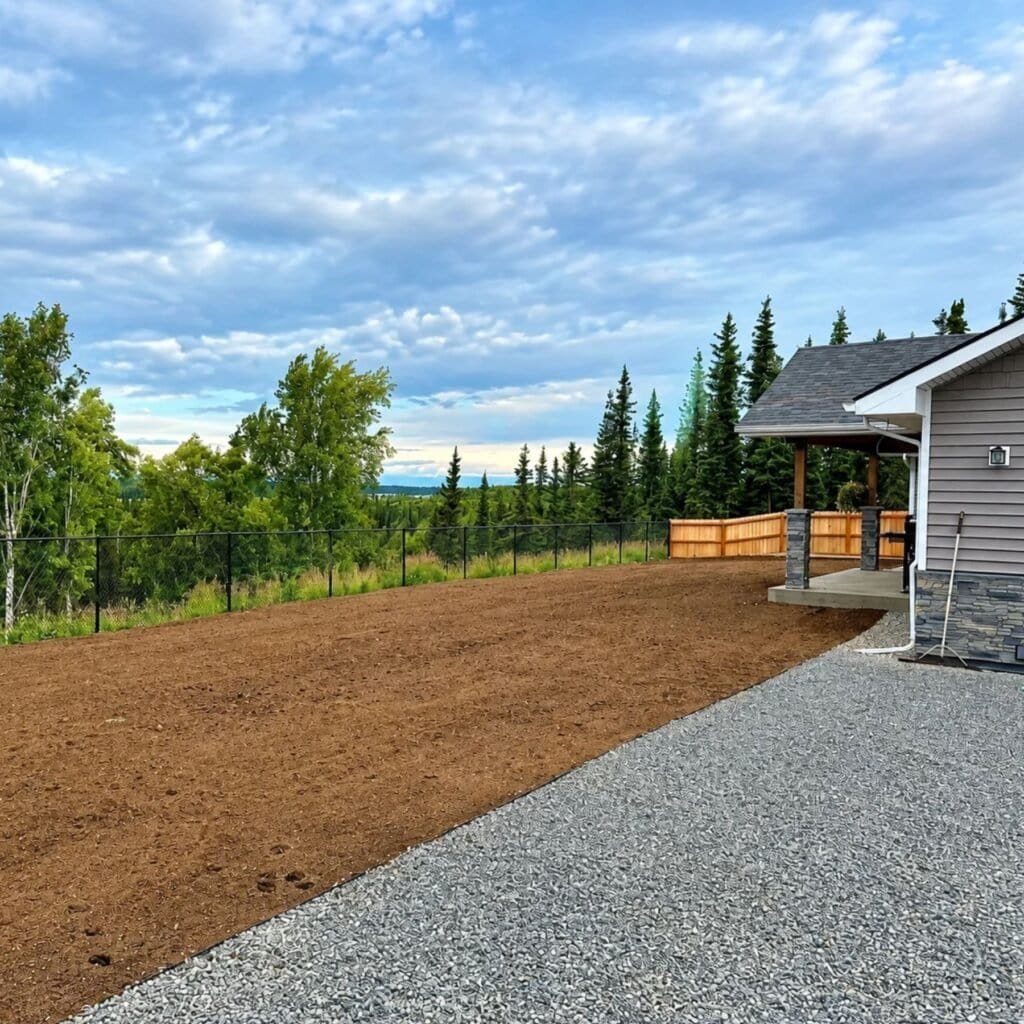
The Problem
This client had just purchased the property. It was easy to access during the summer, but in the winter months it became extremely swampy. There was no driveway and no solid surface anywhere.
For now, it is mainly a recreational property, with a home possible in the future. The immediate need was reliable, year-round access.
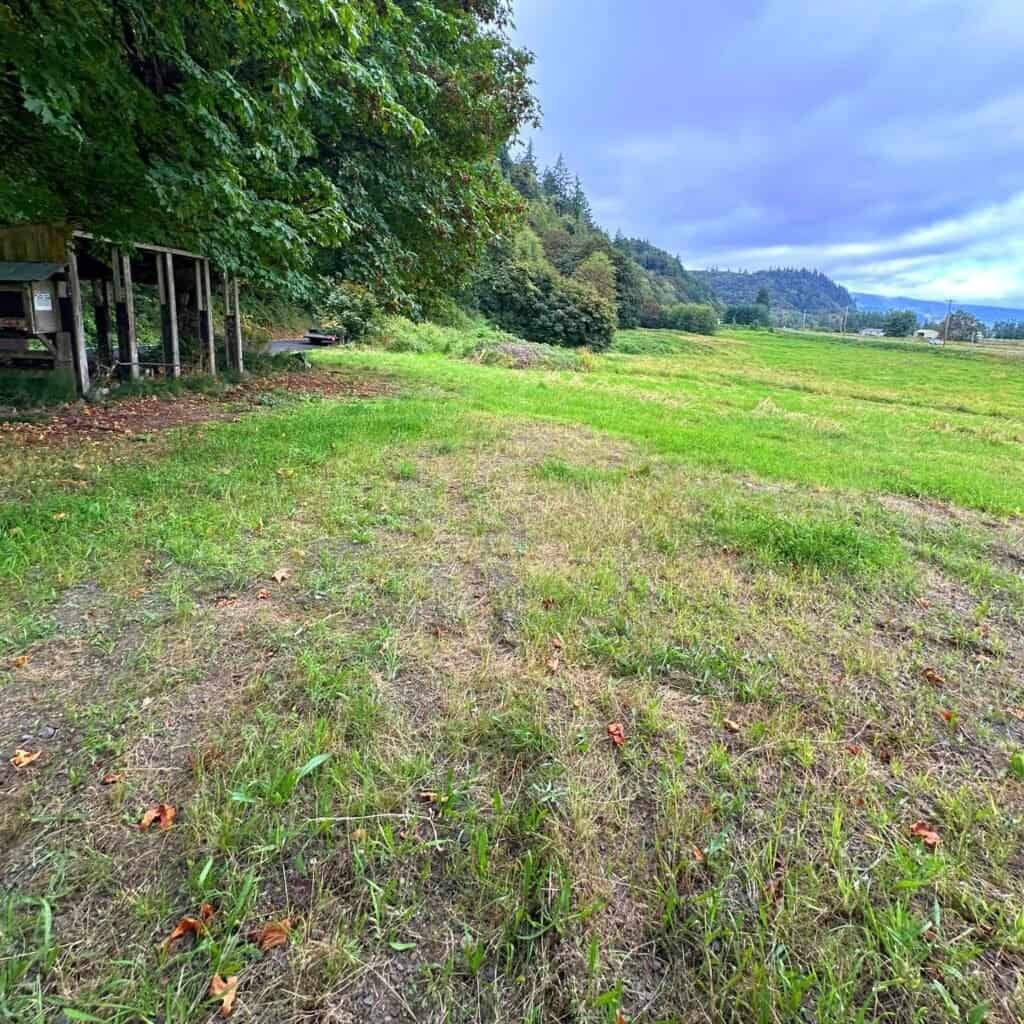 Before
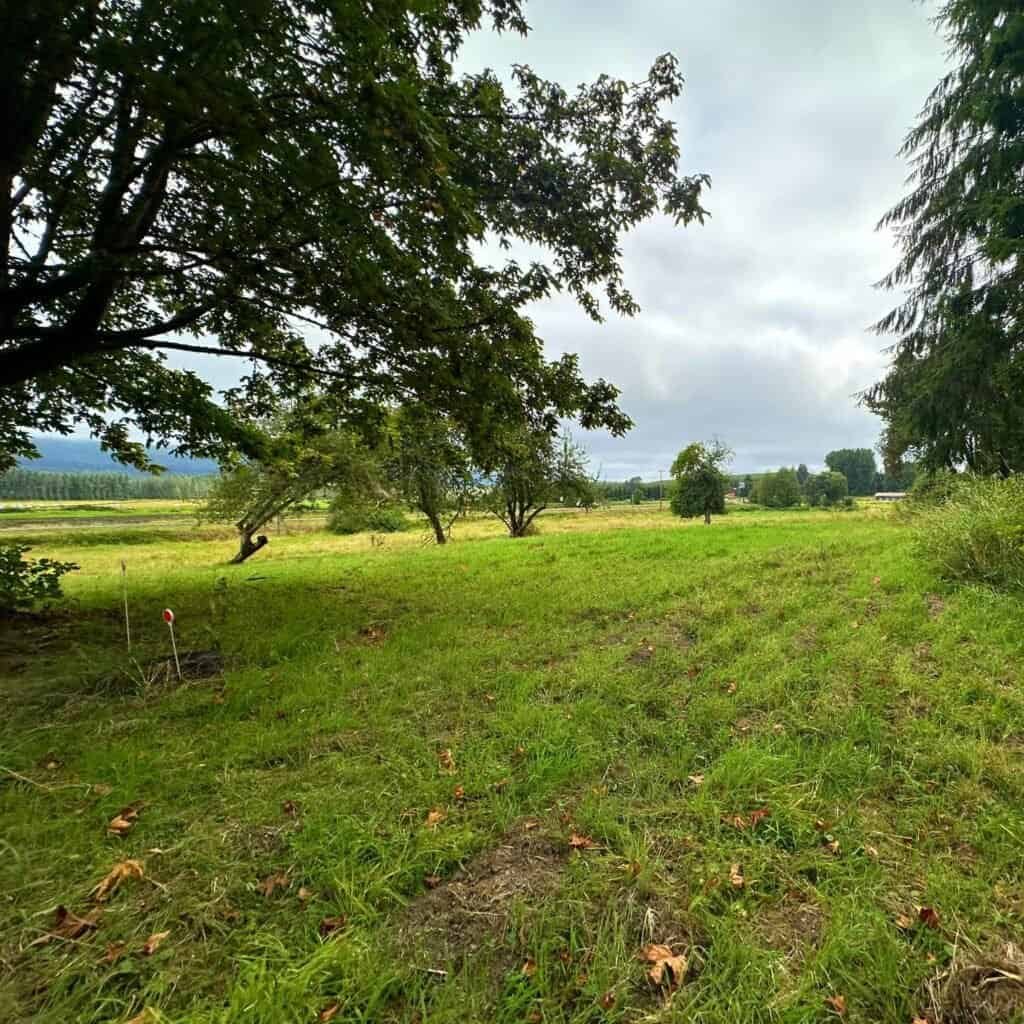 Before
Stripping and Building the Base
I stripped the grass, vegetation and topsoil, then placed a base of 3" minus to give the driveway and pad a strong foundation.
Road Fabric Under the Parking Pad
The pad area was significantly softer than the rest of the property, and we did not want to lose rock into the soil. We installed woven geotextile road fabric under the base in that area. It keeps the rock separated from the soft soil below, so the base stays in place.
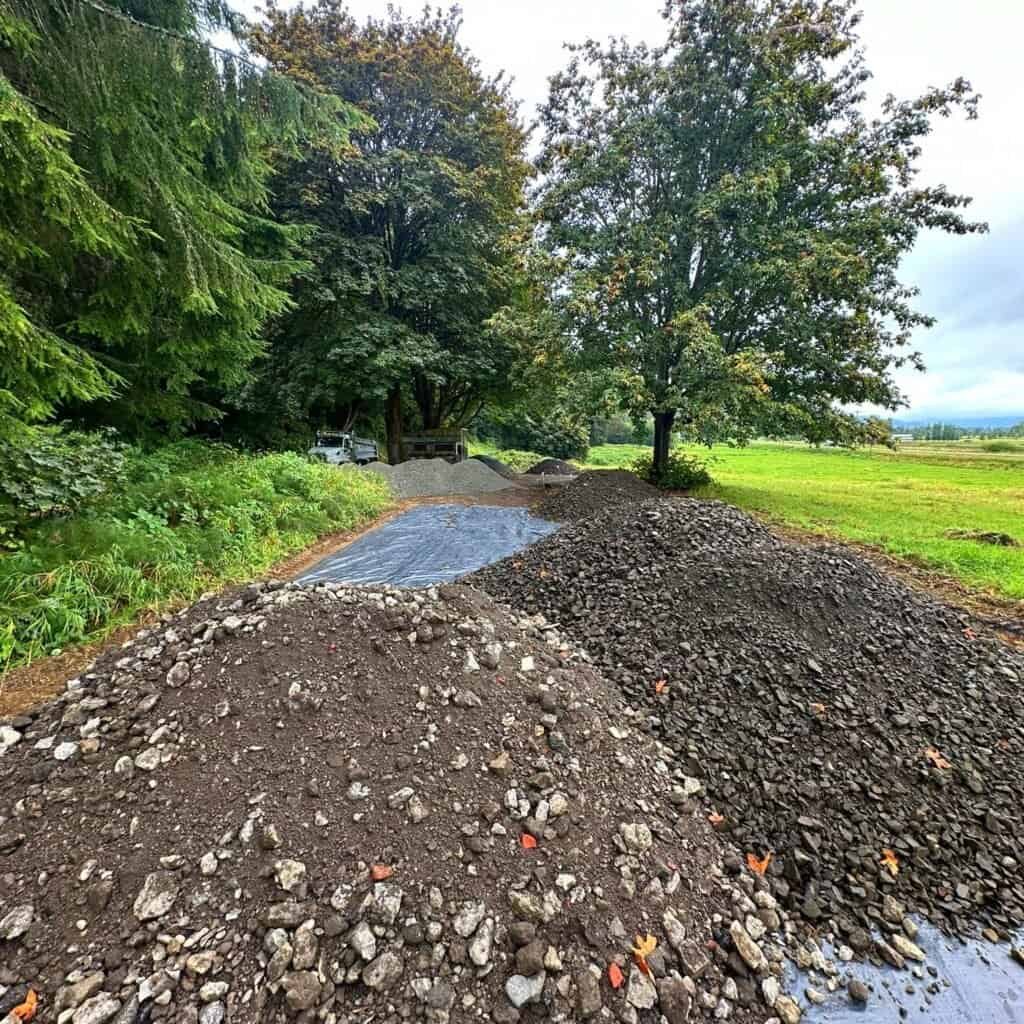
A Half-Circle Driveway and Large Parking Pad
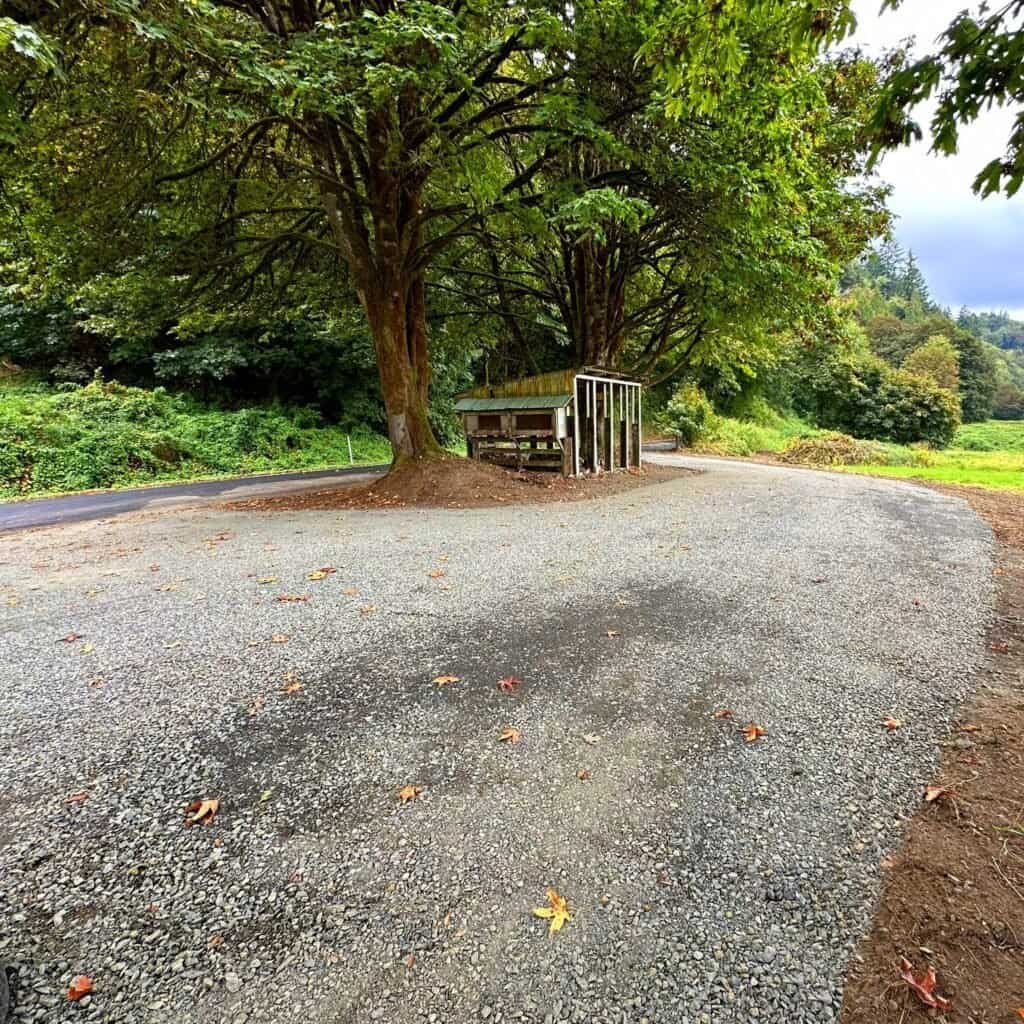
On top of the base, we built a half-circle driveway and a large parking pad, and covered everything with a heavy layer of 3/4" minus. We then backfilled the edges with the topsoil removed earlier, so the gravel blends cleanly into the property.

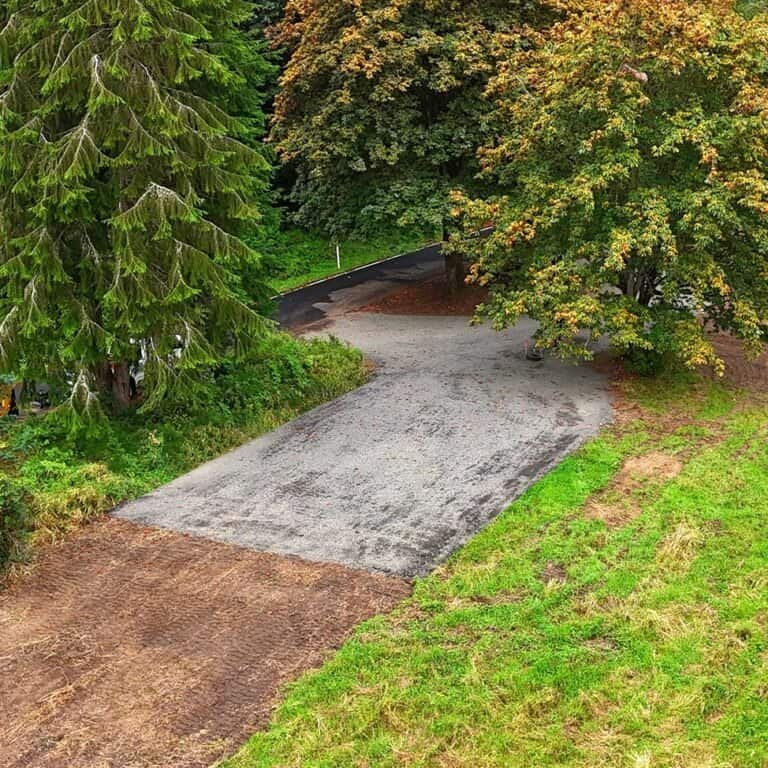
The Result
The client now has reliable access to his property year-round, in any weather.
 After
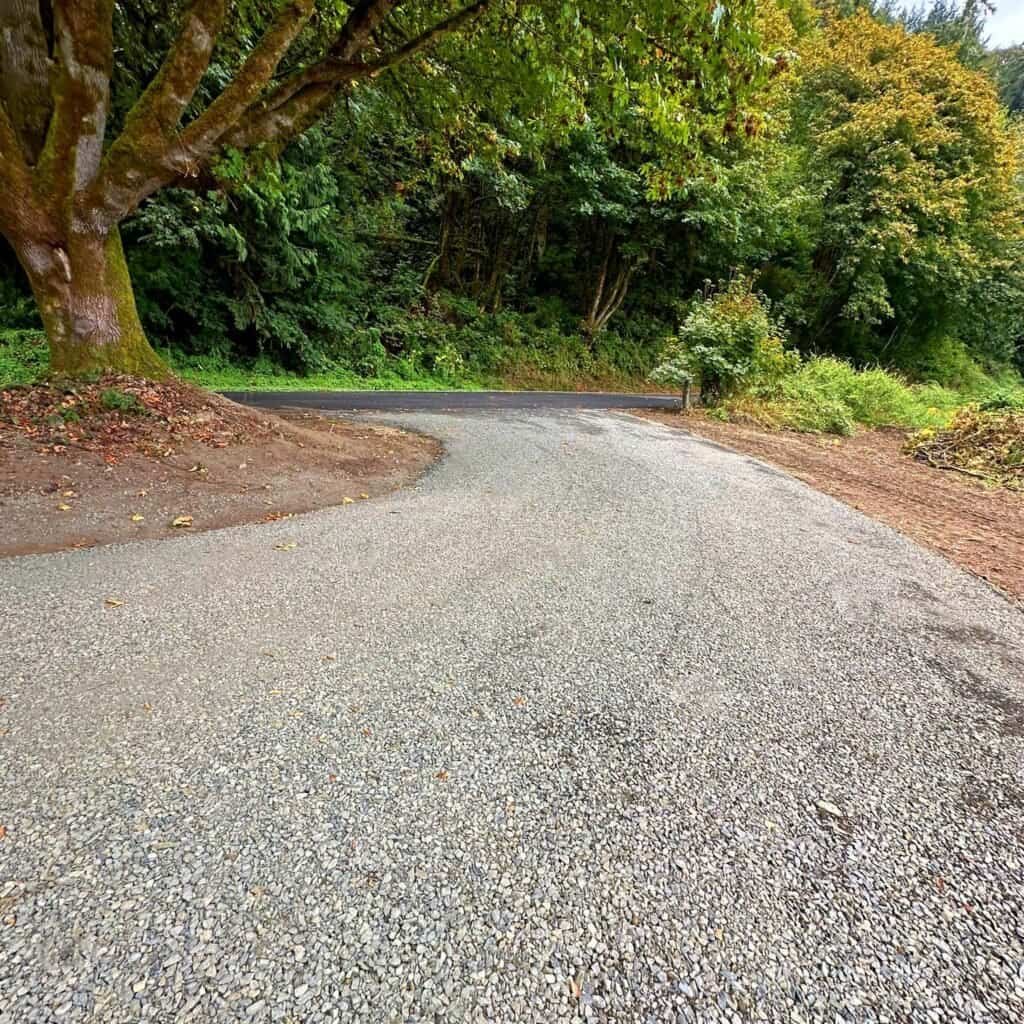 After
Materials Used
A 3" minus base with woven geotextile road fabric under the soft pad area, a heavy top layer of 3/4" minus over the driveway and pad, and the original topsoil backfilled along the edges.
What a Project Like This Costs
Typical range
$10,000 – $20,000
New gravel driveways with a parking pad like this one, on soft ground with a 3" minus base and road fabric, usually fall in this range.
What affects the cost
Every property is different, so the cost of similar projects can vary. The main factors are:
- Haul distance. The distance between the quarry supplying the material and the job site.
- Material pricing. Rock prices vary by quarry and by material type.
- Size of the driveway and pad. Larger areas need more stripping, rock and compaction.
- Soft ground. Wet or soft soil may need a thicker base or road fabric.
- Site preparation. Stripping grass, vegetation and topsoil before the rock is placed.
Planning a similar project? We're happy to talk through what you have in mind and give you a free estimate.
Common Questions
When should you use road fabric under gravel?
Woven geotextile road fabric is worth it over soft or wet ground. It separates the rock from the soil underneath, so the base rock doesn't sink and get lost in the mud over time.
How do you build a gravel driveway on ground that turns to swamp in winter?
Strip off the grass, vegetation and topsoil, put down a strong base of 3" minus, and finish with a heavy, compacted layer of 3/4" minus. On the softest areas, adding woven road fabric under the base helps keep the rock from pushing down into the soil.
What do you do with the topsoil you strip off?
On this job, we used it to backfill along the edges of the new driveway and pad, so the gravel blends cleanly into the surrounding ground.
Planning Something Similar?
See our gravel driveway services, gravel pads, Clatskanie land services and Clatskanie gravel delivery, or request an estimate and we'll take a look at your property.
← All success stories